
Photovoltaic panel backsheet
renovation
Without power plant downtime.
We restore the insulating properties of photovoltaic panels directly at the power plant using PDMS technology. We significantly extend the lifespan of the panels and eliminate the need for premature replacement.
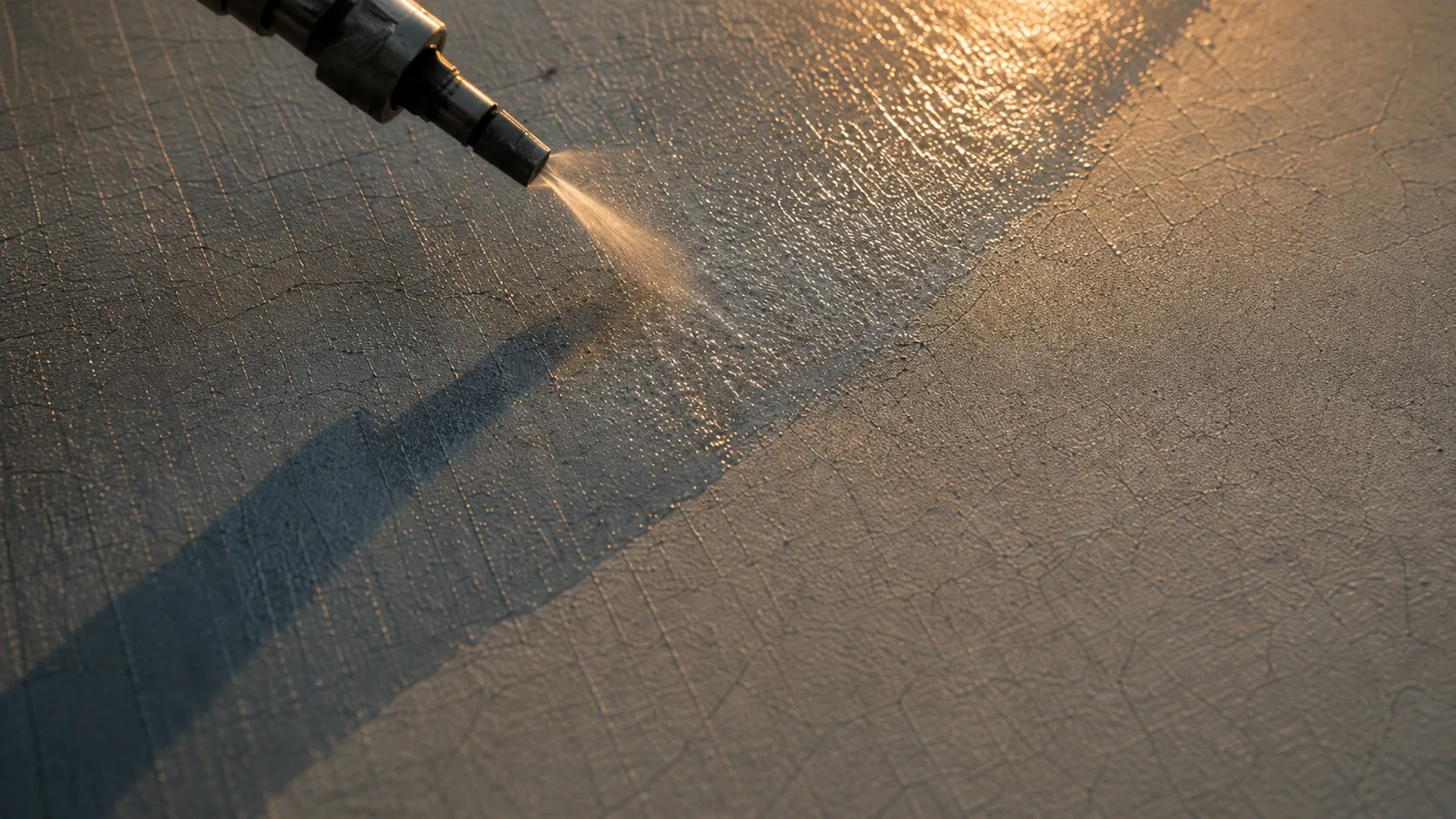
Technology developed by SOLARMONITORING restores the insulating properties of the module (Risol) to a level close to a new panel and at the same time creates an additional protective layer resistant to mechanical stress, UV radiation, and weather conditions. What PDMS gel can do:
Backsheet fails. Production drops.
drop
faults
downtime
repowering
Microcracks in the backsheet are among the most common causes of panel degradation in older power plants.
How the technology works
The technology developed by SOLARMONITORING restores the insulation properties of the module (Risol) to a level close to a new panel and at the same time creates an additional protective layer resistant to mechanical stress, UV radiation, and weather conditions.
Special PDMS gel heals cracks in Tedlar and PET, restores the insulating properties of the panel, and creates a new protective layer against further aging.
- Heals microcracks in Tedlar and PET
- Restores insulating properties (Risol) to the level of a new panel
- Creates a protective layer resistant to UV radiation
- Protects against moisture, salt, and weather conditions
- Significantly extends the lifespan of photovoltaic panels
Application of PDMS gel on a photovoltaic power plant – without dismantling panels
"The renovation does not require dismantling the panels, replacing cables, or interfering with the DC connection of the power plant. All work takes place directly on the installed modules during normal power plant operation."
From diagnosis to restoring panel lifespan in 4 steps
Audit and Diagnosis
Site visit. We measure Risol per string, map the condition of the backsheet row by row, take macro photos of representative panels, and classify the park into a severity class. An audit for power plants up to 5 MWp takes one day.
Surface Preparation
Mechanical cleaning of the backsheet from the outside without solvents. No primer. The team works with access from the structure without dismantling the panel. Strings are locally isolated during application, the rest of the park remains in operation.
Applying PDMS Gel
Calibrated spraying of a polysiloxane gel film. About four minutes per panel. Curing takes place at ambient temperature without the need for UV – work can be done in any weather. A team typically handles one inverter section per shift.
Inspection and Warranty
Risol measurement after application, photo documentation of each panel, entry in the SOLARMON service log, issuing the warranty. The power plant is immediately back at full production.
Photovoltaic Power Plant Insurance
From the perspective of power plant operation, backsheet renovation is considered a service and maintenance intervention. In most cases, it does not affect the validity of the standard photovoltaic power plant insurance.
Compatibility with Manufacturer Warranty
The economic benefit of renovation is usually highest for power plants 9 to 10 years old, when the first signs of backsheet degradation begin to appear.
Our Guarantee
Every renovated module undergoes an insulation state check before application and after the renovation is complete. The customer receives documentation confirming the achieved parameters and the scope of work performed.
Approach Comparison
Repowering (Panel Replacement)
- Dismantling and new panels
- High investment costs
- Weeks to months of downtime
- Lengthy permitting processes
- Environmental burden
than repowering
PDMS Renovation (Solar Boosting)
- Without dismantling panels
- A fraction of the cost vs. repowering
- No downtime - production continues
- Fast application during operation
- Sustainable and environmentally friendly approach